
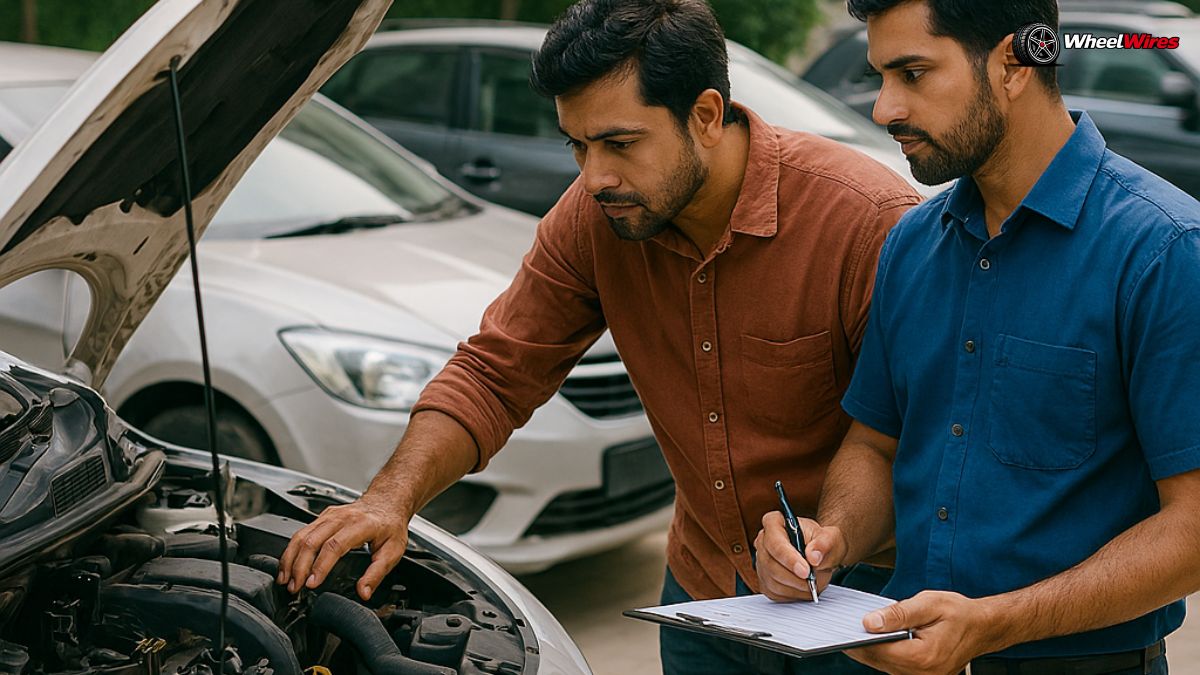
Used Car Buying Guide in India: Buying a used car in India can be a smart financial decision, but only if done carefully. A pre-owned car costs significantly less than a new one, depreciates slower, and offers better value for money. However, without proper checks, a used car can t (Used Car Buying Guide in India) quickly turn into an expensive mistake.
This used car buying guide in India explains everything you need to check before purchasing a second-hand car, helping you avoid fraud, hidden repair costs, and legal issues.
Used Car Buying Guide in India
Used cars are gaining popularity in India due to rising new car prices and better availability of certified vehicles. First-time buyers, city commuters, and budget-conscious families often prefer used cars.
Key benefits include:
-
Lower upfront cost
-
Reduced depreciation
-
Cheaper insurance
-
Wider choice in the same budget
But these benefits come only when the car is inspected properly.
1. Decide Your Budget and Ownership Cost
Before shortlisting any used car (Used Car Buying Guide in India), decide your maximum budget, including additional expenses.
Costs to consider:
-
Car price
-
Registration transfer charges
-
Insurance renewal
-
Minor repairs or servicing
Always keep 10–15% extra for post-purchase expenses. Avoid stretching your budget just for brand or features.
2. Choose the Right Car for Your Needs
Don’t buy a car only because the deal looks attractive. Choose based on your usage.
Ask yourself:
-
City or highway driving?
-
Daily commute or occasional use?
-
Fuel type preference?
For city use, hatchbacks work best. For families and highways, sedans and compact SUVs t (Used Car Buying Guide in India) make more sense.
3. Check Vehicle Registration & Documents Carefully
This is one of the most critical steps in buying a used car in India.
Mandatory documents to verify:
-
RC (Registration Certificate)
-
Valid insurance policy
-
PUC certificate
-
Service history (if available)
Ensure the RC has no hypothecation pending. If the car was financed, the loan must be cleared before transfer.
4. Verify Ownership History
Cars with fewer owners usually indicate better care.
-
Prefer first-owner cars
-
Second-owner cars are acceptable if well maintained
-
Avoid cars with frequent ownership changes
Multiple ownership transfers can reduce resale value and raise trust issues.
ALSO READ: Automatic vs Manual Cars in India: Which Is Better for You? Complete Guide
5. Inspect the Car Exterior Thoroughly
The exterior condition reveals a lot about how the car was treated.
What to check:
-
Uneven paint or colour mismatch
-
Rust near doors, boot, or underbody
-
Panel gaps or misalignment
-
Cracks on windshield
Fresh repainting can sometimes hide t (Used Car Buying Guide in India) accident damage, so inspect closely.
6. Check the Engine and Mechanical Condition
A healthy engine is more important than looks.
Engine inspection tips:
-
Cold start the engine and listen for noise
-
Check for oil leaks
-
Look for excessive smoke from exhaust
-
Smooth idling without vibrations
If unsure, always get the car inspected (Used Car Buying Guide in India) by a trusted mechanic.
7. Test Drive the Car Properly
Never buy a used car without a test drive.
During the drive, check:
-
Smooth gear shifts
-
Clutch condition
-
Brake response
-
Steering alignment
-
Suspension noise on rough roads
Drive at different speeds and road conditions to understand Used Car Buying Guide in India car’s real condition.
8. Check Odometer Reading & Service Records
Low mileage is good, but unrealistic readings can be a red flag.
-
Average Indian usage: 10,000–15,000 km per year
-
Match odometer reading with service records
-
Excessively low mileage on an old car may indicate tampering
Genuine service history increases trust and resale value.
ALSO READ: Car Service Cost in India Explained and Hatchback, Sedan and SUV; 5 Tips
9. Accident & Insurance Claim History
Ask directly if the car was ever involved in an accident.
-
Check insurance claim records
-
Inspect chassis and underbody
-
Look for welding marks or bent frames
Major accident cars may look fine but can have long-term safety issues.
10. Evaluate Used Car Price Properly
Never accept the quoted price blindly.
Factors affecting used car price:
-
Brand and model
-
Year of manufacture
-
Mileage
-
Condition and location
Compare prices on multiple platforms and negotiate confidently.
11. Certified Used Cars vs Local Dealers
Certified Used Cars
-
Slightly expensive
-
Quality checks done
-
Limited warranty available
Local Dealers / Individual Sellers
-
Lower price
-
More negotiation scope
-
Higher inspection responsibility
Choose based on your risk appetite and budget.
12. Transfer of Ownership & Insurance
Once the deal is final, ensure proper transfer.
-
RC transfer at RTO
-
Insurance policy name change
-
Keep sale agreement copy
Never delay ownership transfer, as legal liability remains with the registered owner.
Used Car Buying Checklist (Quick Table)
| Checkpoint | Why It Matters |
|---|---|
| RC & Insurance | Legal safety |
| Engine condition | Long-term reliability |
| Accident history | Structural safety |
| Service records | Maintenance proof |
| Test drive | Real driving experience |
| Ownership count | Resale value |
Common Mistakes to Avoid While Buying a Used Car
-
Ignoring document verification
-
Skipping test drive
-
Falling for low price traps
-
Not budgeting for repairs
-
Buying emotionally
Patience saves money.
FAQs –Used Car Buying Guide in India
Is buying a used car in India safe?
Yes, if proper inspection and document verification are done before purchase.
How old a used car should I buy?
Ideally, a car between 3 to 5 years old offers the best balance of price and reliability.
Which used car is best for first-time buyers?
Hatchbacks with good mileage and low maintenance are best for beginners.
Can I get a loan for a used car?
Yes, banks and NBFCs offer used car loans, though interest rates are slightly higher.
Is certified used car worth the extra price?
For buyers who want peace of mind, certified cars are a safer option.
Final Verdict – WheelWires Advice
Used Car Buying Guide in India can be a rewarding experience if done thoughtfully. Focus on vehicle condition, documents, and long-term ownership cost (Used Car Buying Guide in India) rather than just price. A well-maintained used car can easily serve you for many years without major issues.Take your time, inspect thoroughly, and never rush the decision. The right used car is not the cheapest one, but the one that offers reliability and peace of mind.